Why it pays to start DSA music preparation early
A DSA music audition lasts only a few minutes. The playing your child brings into that room takes months to build. Starting early is the simplest way to make the audition feel like a chance to show what they can do, rather than a race against the calendar.
How the DSA-Sec timeline works
Direct School Admission (DSA-Sec) lets Primary 6 students apply to secondary schools for a talent such as music, before their PSLE results. In 2026 the key dates were:
- Applications: 6 May to 2 June, through the DSA-Sec Portal.
- Auditions and trials: over the following weeks; schools gave outcomes by 28 August.
- School preferences: students with offers chose their schools from 19 to 23 October.
- Results: released with the PSLE results in late November.
Students who apply still sit the PSLE. Dates change a little each year, so check the MOE DSA-Sec page and each school's own DSA page, where schools set out what their music auditions involve.
Why starting early helps
Skills grow slowly, and that's normal. A good tone, steady breathing and clean fingers come from many weeks of regular practice. Months of steady lessons build far more than a few weeks of intensive ones.
Pieces need time to settle. When an audition piece has been learned well in advance, it stays secure under pressure. Your child can focus on playing musically, not on remembering the notes.
Graded exams make good milestones. ABRSM and Trinity exams give a clear structure and goal along the way, and a record of progress. Your teacher can plan which exam and session suit your child's timeline.
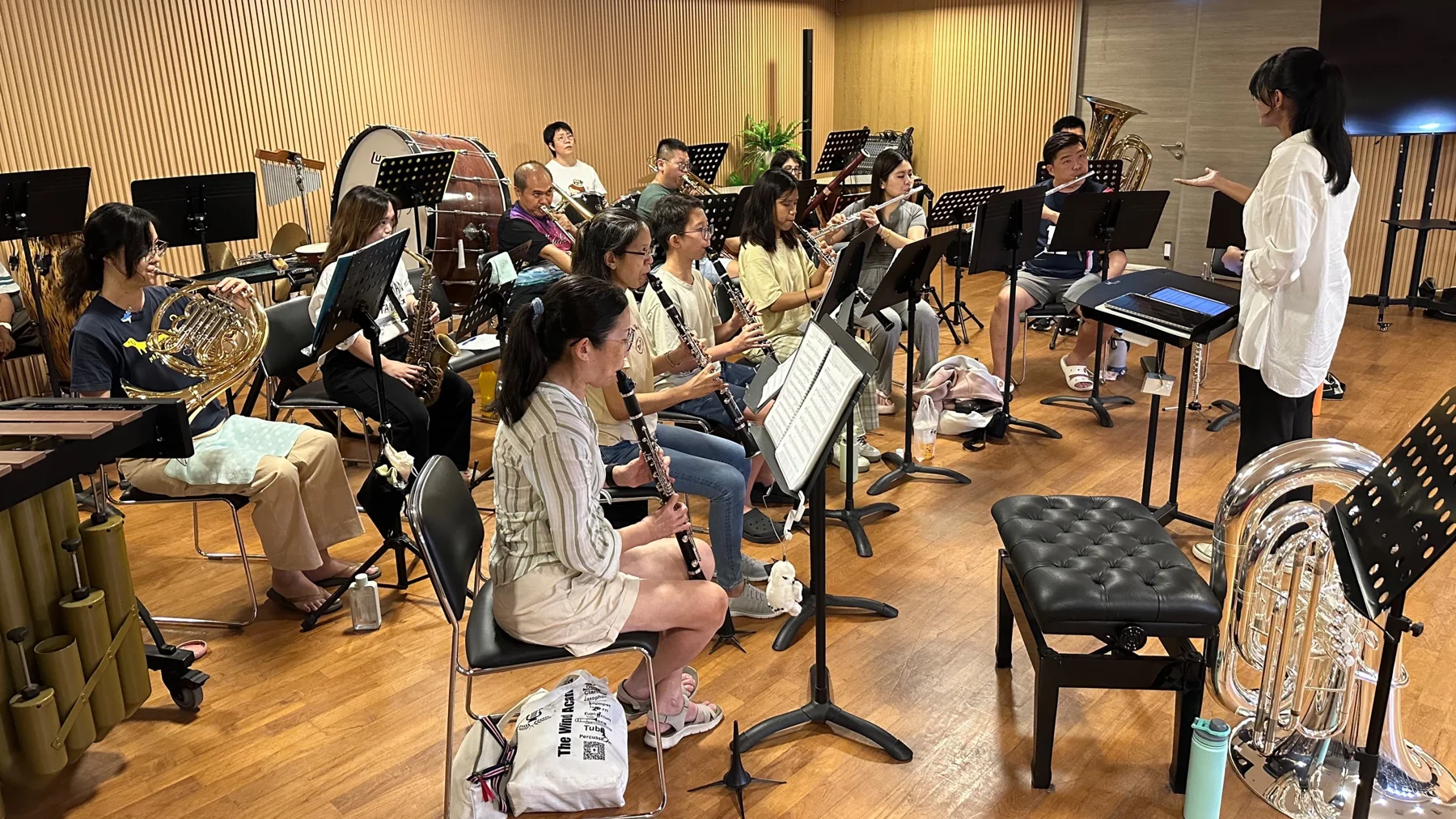
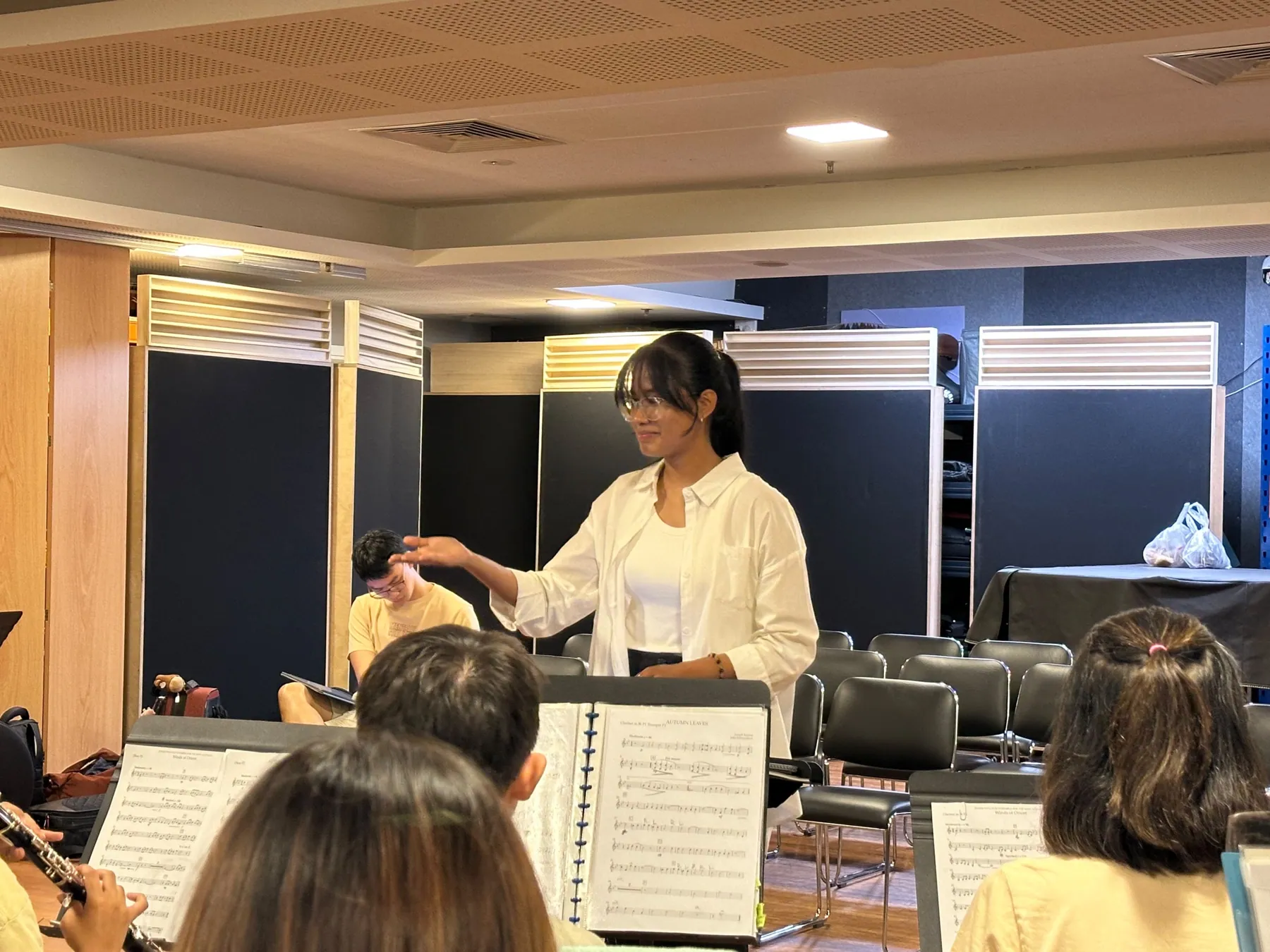
Playing in a band shows. Reading parts, following a conductor and listening to others are skills that come from ensemble playing. A year in a band gives children all three, and a few real performances too.
Less pressure in Primary 6. DSA auditions fall in the same year as the PSLE. Doing most of the musical work before Primary 6 leaves your child more room for both.
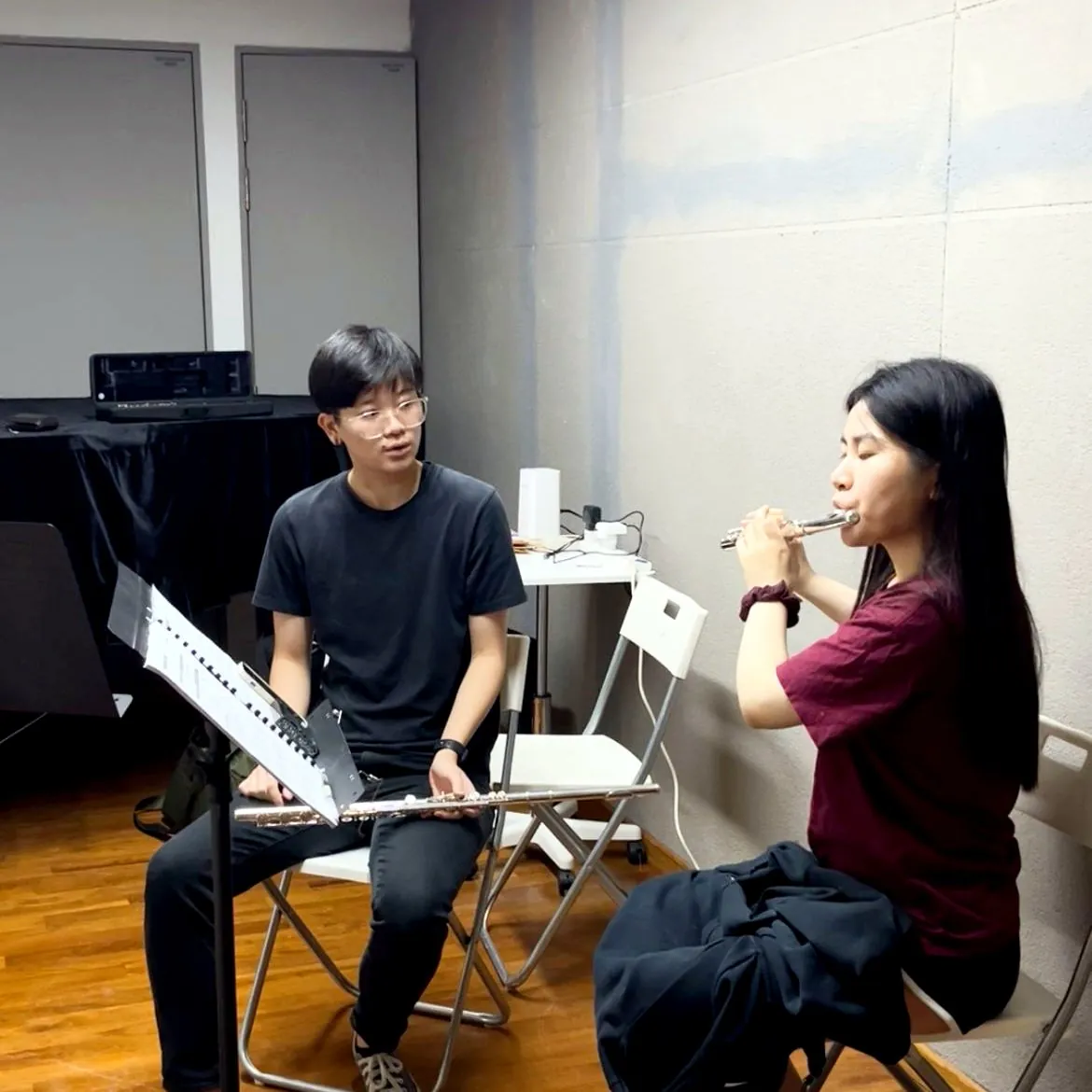
A simple plan, working back from May of Primary 6
This is a guide, not a rule. Every child starts from a different place, and your teacher will adjust the plan.
- About 18 months before applications open: steady weekly lessons. Build the basics: tone, rhythm, scales and reading.
- About a year before: choose audition pieces with your teacher, think about a graded exam as a milestone, and start playing in a band.
- 3 to 6 months before: practise performing the pieces, work on sight-reading, and add more frequent lessons if your child needs them.
- The last few weeks: short, regular practice, and confidence over cramming.
Starting later is still possible. It simply means more frequent lessons, and fewer chances to settle the pieces.
A note on graded exams
ABRSM's new piano syllabus can be used for exams from 1 January 2027, and the 2025 & 2026 pieces stay valid until 31 December 2027. If your child is working towards a piano exam, ask your teacher which syllabus suits them best.
How TWA can help
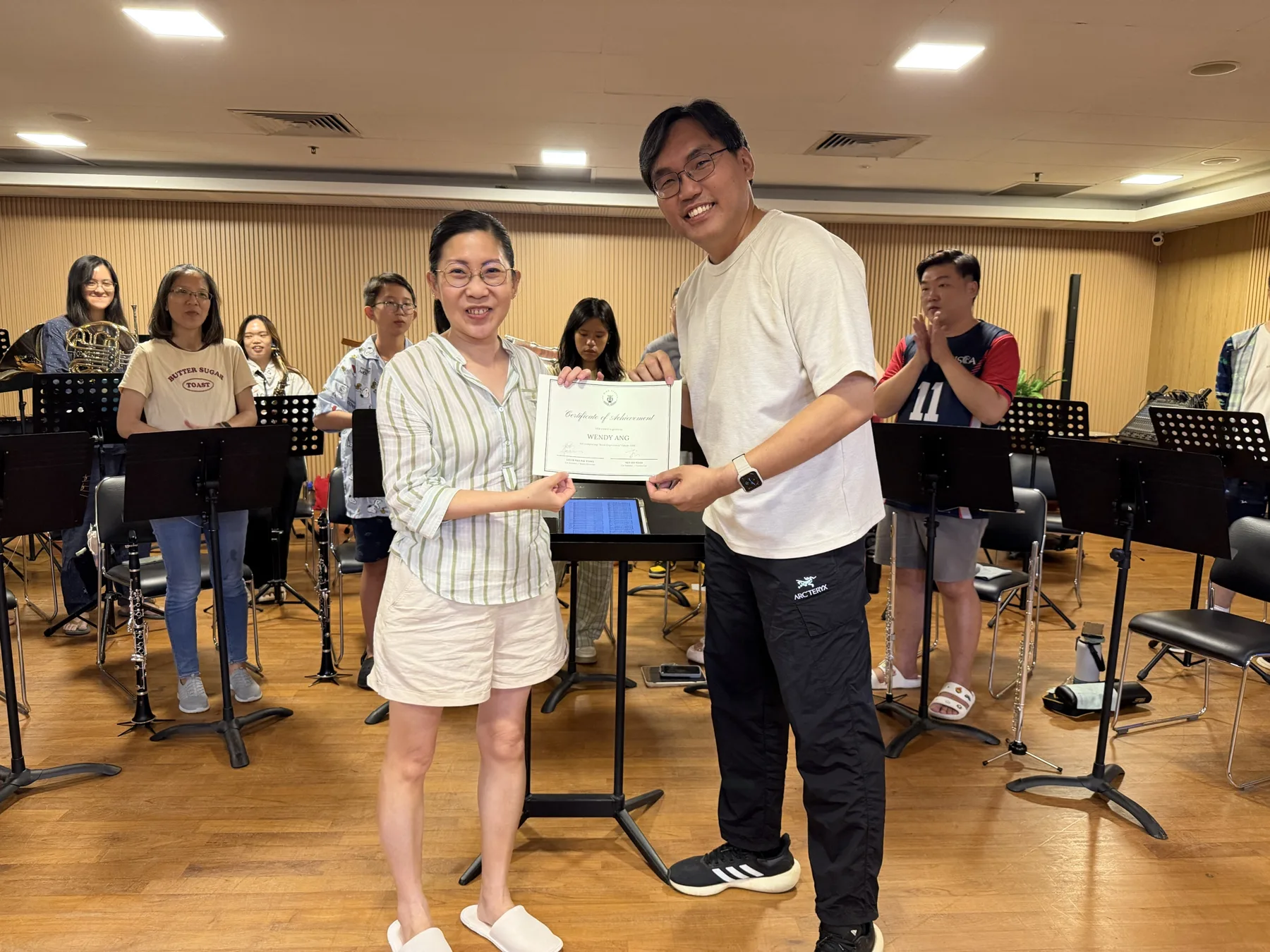
In 1-to-1 lessons (our Private Studio eXperience, or PSX), your child's teacher plans pieces, scales, sight-reading and aural around the audition or exam date. Several of our teachers also train school bands, and lessons start from $120. Children can also join the Band Experience for regular rehearsals and real concerts, and members get 5% off private lessons.
Find out more about exam and DSA preparation at TWA, or book a trial lesson.